

How to Create an Effective Phone Tree

In the world of business and organizational communication, the phone tree plays a crucial role. It's a system designed to disseminate information quickly and efficiently.
But what exactly is a phone tree? It's a prearranged, pyramid-like system for activating a group of people by telephone. It's often used in situations where a message needs to be spread rapidly and accurately. However, is not as simple as it sounds. It requires careful planning, organization, and regular maintenance. This article aims to guide you through the process.
Whether you're a business owner, an office manager, or a community group leader, this guide is for you. We'll walk you through the steps to create a phone tree that improves communication and efficiency.
So, let's dive in and learn how to create an effective phone tree for your organization.
Understanding Phone Trees
A phone tree is a method of reaching many people quickly with a specific message. It's like a tree in that one person calls two people, those two people each call two more, and so on. This way, the message spreads exponentially, reaching a large number of people in a short time.
Phone trees are commonly used in various organizations, including businesses, schools, and community groups. They are particularly useful in emergency situations where rapid communication is essential. However, they can also be used for routine notifications or updates.
The Importance of Phone Trees in Organizations
Phone trees play a crucial role in organizational communication. They provide a structured and efficient way to disseminate information quickly, especially in emergencies. This can be vital in situations where immediate action is required, such as natural disasters, security threats, or urgent business matters.
Moreover, phone trees can also be used for non-emergency purposes. They can help coordinate events, manage volunteer activities, or distribute routine updates. Regardless of the purpose, a well-structured phone tree can significantly enhance communication within an organization.
Step 1: Define Your Phone Tree's Purpose
The first step in creating an effective phone tree is to clearly define its purpose. This could be for emergency communication, event coordination, or routine updates. The purpose will guide the structure and content of your phone tree.
Remember, a phone tree is not a one-size-fits-all solution. It should be tailored to meet the specific needs of your organization. Therefore, understanding its purpose is crucial to its effectiveness.
Step 2: Determine the Structure and Size
Once you've defined the purpose of your phone tree, the next step is to determine its structure and size. This will largely depend on the size of your organization and the nature of the information being disseminated.
For smaller organizations, a simple linear structure may suffice. However, for larger organizations, a more complex hierarchical structure may be necessary. The key is to ensure that the structure facilitates efficient and effective communication.
Step 3: Selecting the Right Participants
The success of a phone tree largely depends on the individuals involved. It's crucial to select participants who are reliable, responsive, and capable of effectively relaying messages.
Consider the roles and responsibilities of each participant. The individuals at the top of the tree should be able to handle high-pressure situations, while those at the lower levels should be adept at following instructions and passing on information accurately.
Step 4: Leveraging Technology in Modern Phone Trees
In today's digital age, technology plays a significant role in phone trees. Automated systems and software can streamline the process, making it more efficient and less prone to human error.
However, it's important to choose a system that fits your organization's needs. Consider factors such as ease of use, scalability, and integration with other communication channels. Remember, the goal is to enhance communication, not complicate it. For example, you could consider TalkChief.
How can TalkChief help you?
TalkChief allows you to leverage its features to create the perfect phone tree so that you can assure communication is handled properly, effectively and in the most efficient way. Some TalkChief’s key features that can help in this field:
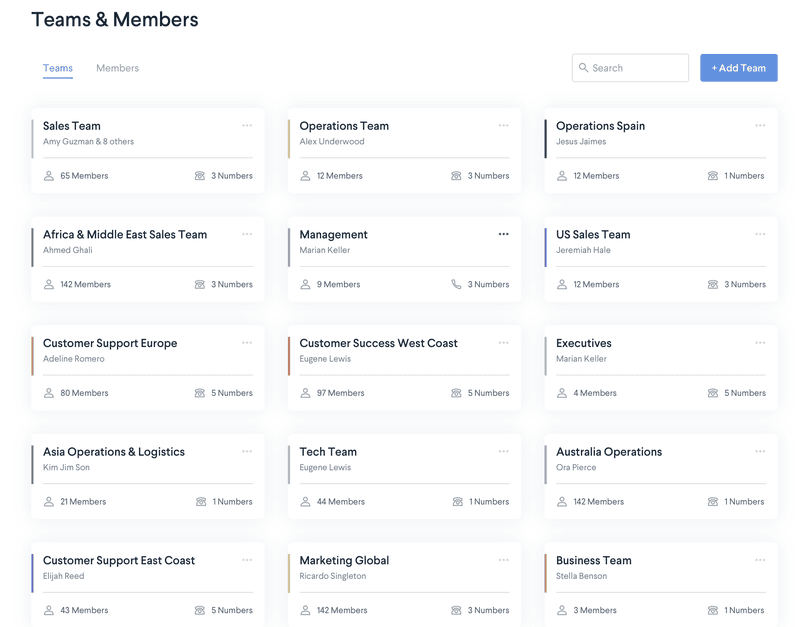
- Ring Groups or Teams: A Team is a logical workspace or group that has its own working hours settings, numbers, name and members. An example of Teams can be "Operations Team", "Asia-Sales Team" ,"Portuguese Support" or “Severity 0”. Teams allows you to add as many members as you wish, where you can easily reach out to them simultaneously calling an extension number.
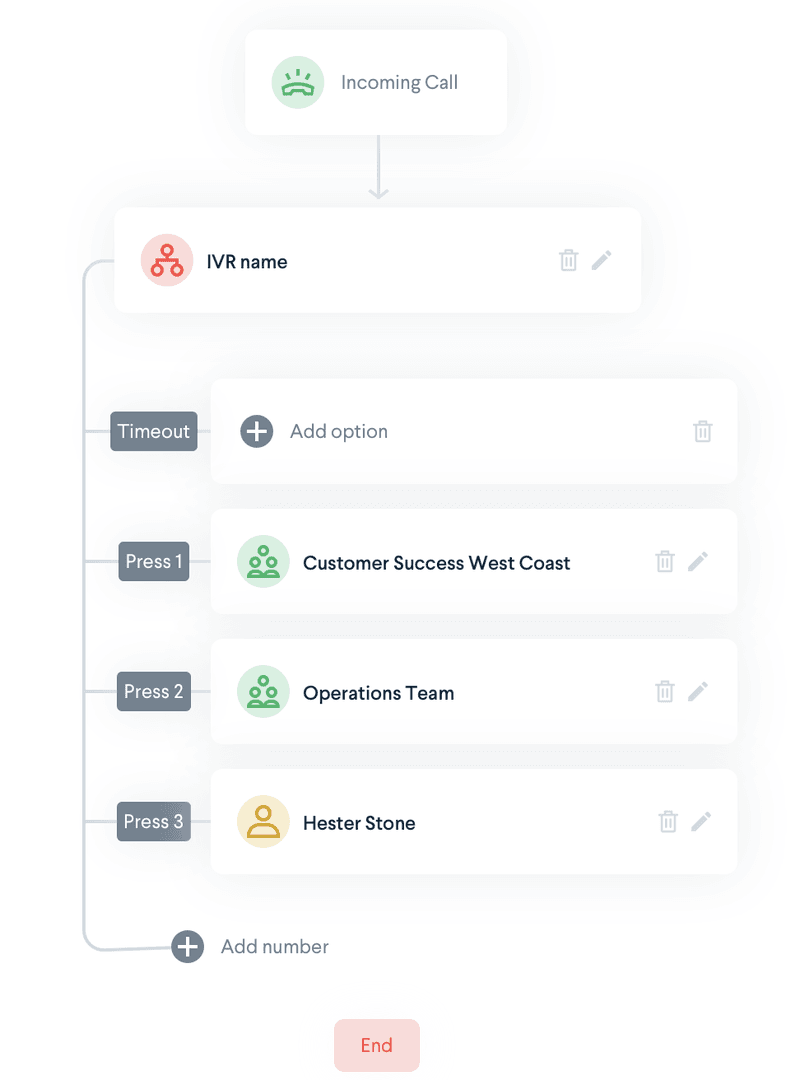
- IVR: You can design an incoming call flow for your main organization number, that when anyone calls, first thing he will hear is an IVR (Interactive Voice Response), after a certain timeout, he/she will be asked to chose between: Press 1 for Customer Success West Cost team, Press 2 for Operations, and 3 to get him/her directly to one of your agents for example. IVR’s is one the powerful tools that allows you, your team, or even your clients to reach out easily and faster to several teams, allowing other options as well like leaving a voice message, or even sending a message through webhook.
Step 5: Crafting Your Message
The message you create is crucial. It should be clear, concise, and convey the necessary information without causing confusion.
Remember to keep the language simple and straightforward. Avoid jargon or complex terms that might confuse the recipients. The goal is to ensure that everyone, regardless of their role or level of understanding, can comprehend the message.
Step 6: Training and Testing
Training is a vital part of implementing a phone tree. Ensure that all participants understand their roles and responsibilities. They should know who to call, what to say, and what to do if they encounter issues.
Testing your phone tree is equally important. Regular tests help identify any problems or bottlenecks in the system. This allows you to make necessary adjustments and ensure the phone tree operates smoothly when needed.
Step 7: Maintenance and Updating
Maintaining and updating your phone tree is crucial for its effectiveness. Regularly review and update the contact information to ensure it's current. This includes adding new members and removing those who have left the organization.
Also, consider the need for system upgrades or changes. As your organization grows or changes, your phone tree should adapt to meet these new requirements. Regular maintenance ensures your phone tree remains a reliable communication tool.
Legal and Privacy Considerations
When setting up a phone tree, it's important to consider legal and privacy issues. Ensure you have consent from all participants to use their contact information. This is especially crucial in regions with strict data protection laws.
Also, be mindful of the information shared through the phone tree. Avoid sharing sensitive or private information that could potentially violate privacy laws or regulations. Always prioritize the privacy and security of your participants.
Measuring Success and Making Adjustments
To ensure your phone tree is effective, it's crucial to measure its success. This could be through participant feedback, speed of message delivery, or the number of successful connections made.
Based on these metrics, make necessary adjustments. This could involve changing the structure, updating the script, or retraining participants. Remember, a phone tree is a dynamic tool that should evolve with your organization's needs.
Conclusion: The Role of a Phone Tree in Effective Communication
In conclusion, a well-structured phone tree plays a vital role in effective communication within an organization. It ensures rapid, clear, and efficient dissemination of information, especially in emergency situations.
Remember, the success of a phone tree relies on regular updates, participant training, and continuous evaluation. With these steps, your organization can leverage the power of phone trees to enhance communication and overall efficiency.
Want to hear more? Lets Chat!



Empower your sales team with outbound sales tools designed to streamline processes and boost efficiency. These tools automate repetitive tasks, enabling your team to focus on closing deals and driving revenue. Discover how integrating these solutions can transform your sales strategy and give you a competitive edge.

Advanced time conditions turn VoIP routing into a strategic advantage—automating multi-time-zone coverage, shift handoffs, after-hours lead capture, and holiday logic to reduce missed calls, shorten wait times, and boost customer experience without adding headcount.
Just one more step to make your perfect choice. Click either button below to get started.


