

Advanced Time Conditions in VoIP: How Smart Call Routing Improves Customer Experience

In modern business communication, timing is strategy. This is where advanced time conditions in VoIP jumps in.
Companies invest heavily in IVR systems, call queues, and analytics—but many overlook one of the most powerful routing tools available in VoIP systems: advanced time conditions.
Time-based routing isn’t just about “open” and “closed” hours. When implemented properly, it becomes a strategic layer of automation that reduces missed calls, improves customer satisfaction, and optimises team performance.
Let’s break down what advanced time conditions in VoIP really mean—and why they matter.
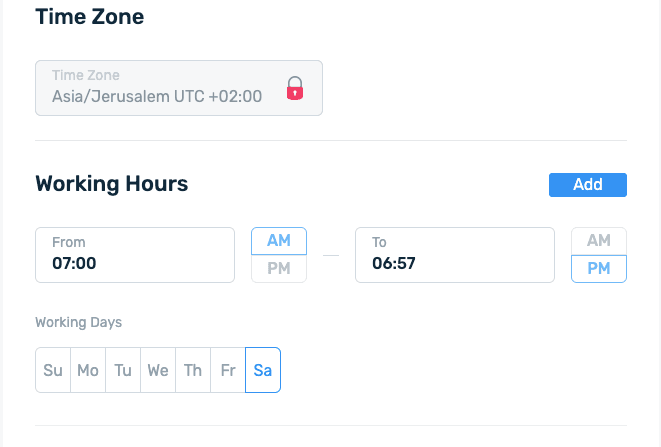
What Are Time Conditions in VoIP?
Time conditions allow a VoIP system to route calls differently depending on:
- Time of day
- Day of week
- Date ranges
- Holidays
- Time zones
Basic systems typically allow:
If time is between 09:00–17:00 → Route to main queue
Otherwise → Send to voicemail
Advanced VoIP platforms go far beyond this.
They allow multi-layered logic, combining time rules with:
- Agent availability
- Queue overflow conditions
- Geographic routing
- Priority levels
This transforms static routing into dynamic, intelligent call flow automation.
Why Basic “Business Hours” Logic Is Not Enough
Traditional routing creates friction in three scenarios:
- Global businesses serving multiple time zones
- Hybrid teams working in rotating shifts
- Sales teams that want to capture leads outside office hours
If your system simply switches to voicemail after 17:00, you’re losing opportunities.
Advanced time conditions introduce conditional logic such as:
- If sales team offline → Route to backup region
- If after hours but VIP caller → Route to on-call agent
- If weekend → Play callback scheduling message
This is where smart call routing begins to impact revenue—not just support.
Real-World Use Cases for Advanced Time-Based Routing
Multi-Time Zone Coverage
A SaaS company operating in the US and Europe can:
- Route European calls to EU agents during CET hours
- Automatically shift US calls to EST teams
- Ensure no overlap confusion
- No manual switching required.
After-Hours Lead Capture
Instead of voicemail:
- Route calls to a 24/7 answering service
- Send SMS follow-up automatically
- Allow callers to schedule a callback
- Route urgent inquiries to on-call sales
This dramatically reduces lead abandonment.
Shift-Based Support Teams
Support teams rotating shifts benefit from automated transitions:
- Morning team active 08:00–14:00
- Afternoon team active 14:00–22:00
- Night fallback logic if queue exceeds threshold
No admin intervention required daily.
Holiday Routing Without Chaos
Advanced systems allow:
- Pre-configured holiday calendars
- Special holiday IVR messages
- Emergency-only routing paths
This avoids last-minute manual configuration errors.
How Advanced Time Conditions Improve Customer Experience
Customer experience improves in three measurable ways:
1. Fewer Missed Calls
Calls always route somewhere intelligently.
2. Reduced Wait Time
Overflow routing ensures queues don’t bottleneck.
3. Clear Expectations
Callers hear accurate messaging based on real availability.
Instead of frustration, customers experience continuity.
And continuity builds trust.
Operational Impact: Efficiency & Cost Control
From an operations perspective, advanced time conditions:
- Reduce unnecessary staffing during low-volume hours
- Improve SLA adherence
- Prevent queue congestion
- Automate workflow transitions
For leadership, this means:
- Higher agent utilisation
- Lower cost per call
- Improved service-level consistency
Time logic becomes an efficiency lever—not just a technical feature.
Best Practices for Implementing Advanced Time Conditions
1. Map Your Call Flows First
Don’t build rules blindly. Document:
- Peak hours
- Low-volume periods
- Overflow thresholds
- VIP routing needs
2. Always Define a Fallback Path
Every routing rule must have:
- Secondary queue
- Voicemail backup
- Callback option
Dead ends destroy experience.
3. Test with Real Scenarios
Simulate:
- After-hours calls
- Overflow traffic
- Holiday routing
- Cross-time-zone calls
Audit quarterly.
4. Keep Messaging Contextual
Your IVR prompts should match the time logic:
“Our support team is currently assisting other customers…”
not
“We are closed.”
Precision builds professionalism.
What to Look for in a VoIP Platform
Not all VoIP providers offer true advanced time conditions.
When evaluating a cloud phone system, ensure it supports:
- Layered time rules
- Holiday calendars
- Queue-based routing logic
- Overflow thresholds
- Multi-time-zone management
- API automation capabilities
Modern businesses require programmable flexibility—not static hours.
The Competitive Advantage of Smart Time-Based Routing
In competitive industries, responsiveness equals differentiation.
Businesses that intelligently route calls based on:
- Time
- Availability
- Priority
- Geography
Deliver smoother experiences without increasing headcount.
Advanced time conditions may sound technical—but their impact is strategic.
They allow your VoIP system to behave like a smart operations assistant rather than a static switchboard.
Final Thoughts
Most companies think about call routing in terms of menus and queues.
The real performance gains, however, come from when those routes activate.
Advanced time conditions in VoIP transform call handling from reactive to intelligent.
And in today’s customer-first environment, intelligent routing is no longer optional—it’s expected.
Want to hear more? Lets chat!
if(window.strchfSettings === undefined) window.strchfSettings = {};
window.strchfSettings.stats = {url: "https://talkchief.storychief.io/en/advanced-time-conditions-in-voip-how-smart-call-routing-improves-customer-experience?id=1535065308&type=26",title: "Advanced Time Conditions in VoIP: How Smart Call Routing Improves Customer Experience",siteId: "3557",id: "903b4c80-ac23-432c-a492-ba34b326d082"};
(function(d, s, id) {
var js, sjs = d.getElementsByTagName(s)[0];
if (d.getElementById(id)) {window.strchf.update(); return;}
js = d.createElement(s); js.id = id;
js.src = "https://d37oebn0w9ir6a.cloudfront.net/scripts/v0/strchf.js";
js.async = true;
sjs.parentNode.insertBefore(js, sjs);
}(document, 'script', 'storychief-jssdk'))



Empower your sales team with outbound sales tools designed to streamline processes and boost efficiency. These tools automate repetitive tasks, enabling your team to focus on closing deals and driving revenue. Discover how integrating these solutions can transform your sales strategy and give you a competitive edge.

Call center technology is revolutionizing remote work by enhancing communication, boosting productivity, and ensuring security. Discover how these advancements empower teams to stay connected and efficient, no matter where they are.
Just one more step to make your perfect choice. Click either button below to get started.


